


Best Family Journal Ideas: 299 Prompts Across 14 Categories

Families carry more stories than they realise — moments, memories, and hard-won wisdom that rarely get written down. This page gives you 299 family journal ideas to help uncover them, organised across 14 categories.
Use our card game to explore journal prompts at random and bookmark the ones you want to answer, or scroll down for our hand-picked shortlist of the 70 best starting points.
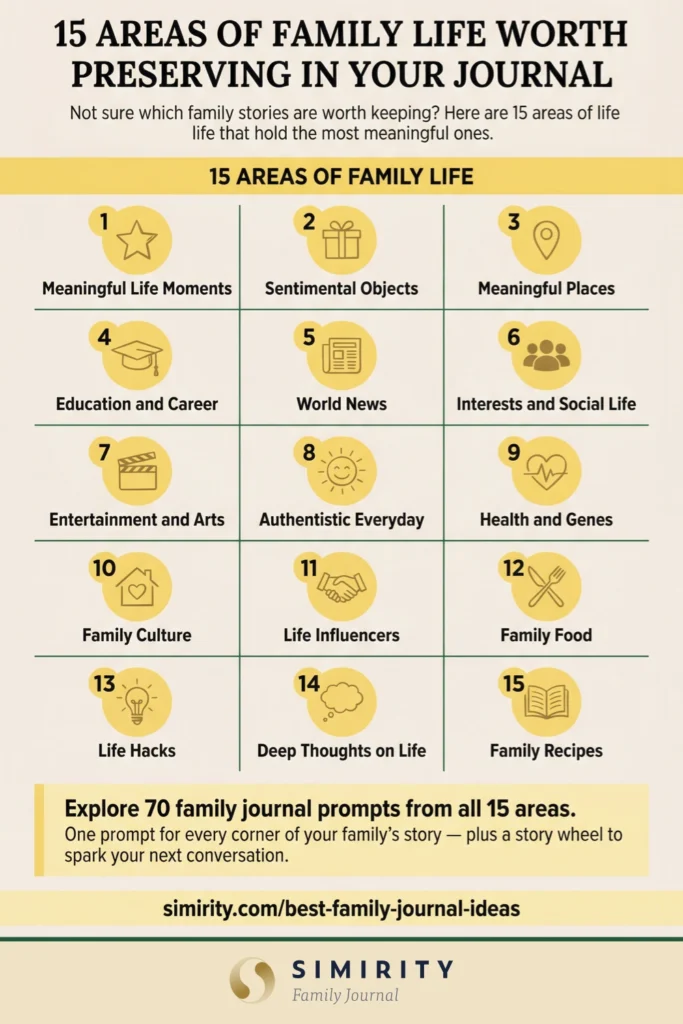
Jump to section:
The Card Game With Journal Ideas for Families
Below you’ll find our complete collection of 299 family story prompts, organised across 14 categories. Play through them as a card game, or scroll down for our hand-picked shortlist of the 70 we’d start with.
The card game gives you the prompts. A Simirity story is where your answers live. Open the example below to see one.

Handpicked Prompts — Meaningful Life Moments
What the theme is: The experiences that shaped who you are — the decisions, turning points, and moments you still think about.
Why these stories matter: These are the stories future generations will most want to know. They reveal not just what happened, but how you responded to it.

Remembered For
What do you want your legacy to be?
- Stephen Covey’s funeral exercise asks what others would say about you after you’re gone. It’s uncomfortable but clarifies priorities.
- Life is complex. What 5-10 things would you most want to be remembered for?
- Many family members missed your key moments. Sharing these stories preserves details for future generations.

First Memories
What are the first things you can remember?
- Those first fuzzy memories typically appear around age 3-4 (sometimes age 2).
- Family members might remember details you’ve forgotten – or confirm if it actually happened.
- Old photos or videos might exist from this time. Do they match your memory?
- What we remember from way back tells us something about what we valued even as tiny humans.

Turning Points
What are the turning points that brought you to where you stand today?
- We all hit crossroads where choosing one direction closes off others – school, cities, jobs, relationships. Which moments redirected your story, and when exactly did they happen?
- What ultimately pushed you toward that decision instead of the alternative?
- Do you ever wonder about those other paths not taken, or are you confident you chose right?

Children Growing Up
As a parent, what changes do you see as your children grow up?
- Document both the obvious milestones and those tiny shifts only you would notice.
- These moments fade faster than you’d expect – even the ones you swear you’ll remember forever.
- Grandparents crave these updates, hungry for glimpses into lives that change too quickly.
- By capturing these stories now, you are creating a gift for the future – a portal that you and your children can enter to relive these precious times

Your Growth Moments
When have you felt really outside your comfort zone?
- Was it at work, school, or maybe in those early parenting days when nothing felt natural?
- What made it such a challenge – the possibility of failure, judgment, or something unexpected?
- How did it feel after the event?
- What advice can you offer someone pushing themselves outside of their comfort zone?

First Time Parent
What was your entry to parenthood actually like?
- How did you learn you’d be a parent?
- Beyond happiness, what else did you feel?
- What challenged you most before the birth?
- What moment from delivery day stands out?
- When did your new role become real?
- What struggle defined those first weeks?

Popping The Question
Who asked whom, and how did it go down?
- What led up to this moment that others might not know?
- Did reality match your plan, or did life intervene?
- What was going through both your heads when it happened?
- How did you celebrate afterward?
- Who did you tell first, and how did they react?
- Looking back, would you change anything about it?

Before "I Do"
What parts of your dating history should be preserved in your family’s story?
- Was there an instant spark, or did feelings grow slowly?
- How did your paths first cross?
- Where did you go on that first real date?
- What thoughts kept running through your mind afterward?
- How did your dating rhythm change as you got serious?
- Which small moments do you still talk about today?

Gone But Not Forgotten
Who do you wish your kids could have known?
- How do you picture them when memories surface unexpectedly?
- What details do you remember from your last time together?
- Which moments with them feel too important to forget?
- What were they known for or proud of?
- How would you help your children understand who they really were?

When You Were Small
Which moments from being a kid still make you smile?
- How old were you?
- Who was there?
- Why was it so special?
- Do you have any photos?

Childhood Holidays
Which childhood trips still matter to you as an adult?
- How did it feel leaving home to start your holiday?
- Where did you go?
- What did you love doing?
- If you could pick a single favourite place, where would it be?

Good Old Days
Which parts of your earlier life do you wish your kids could experience?
- Not everything improves with time – what actually worked better back then?
- What old-school approaches do you think we gave up too easily?
- Beyond gadgets, how were human connections different when you were growing up?

Simirity—because one day, you’ll wish you’d captured their stories.
Handpicked Prompts — Sentimental Objects
What the theme is: The things your family have kept over the years, and the stories behind why you kept them.
Why these stories matter: Objects outlive the people who own them. Recording the story behind an heirloom turns it from a mere object into a meaningful connection. Heirloom items may not have high monetary value, but they remain treasured family possessions because of the stories that accompany them.

Heirlooms You Treasure
Which objects carry your family stories?
- Who bought, created or treasured these objects?
- How old are they?
- Where have these objects lived over the years?
- Whose lives have they been a part of?

Prized Possessions
What did you save for that felt like everything back then?
- What object was so precious you couldn’t bear to be separated from it?
- What clothes made you feel like the person you wanted to be?
- Which album or CD did you most love listening to?
- What big purchase were you most proud of?

Special Presents
What are the most special presents you’ve received over the years?
- A present from your childhood?
- A coming-of-age gift?
- A wedding present?
- A surprise you’ll remember forever?

Favourite Way to Get Around
Have cars, motorbikes or even bicycles ever played an important part in your life?
- How did you become interested in this type of vehicle?
- How did you come across yours?
- What made it so special?
- What do you think the youth of today would think of it?
Handpicked Prompts — Meaningful Places
What the theme is: The locations that hold significance — childhood homes, places you have lived, places that changed you.
Why these stories matter: Places anchor memory in a way that abstract stories rarely do. By capturing locations alongside stories, you’re giving meaning to places that might inspire younger generations to follow in your footsteps and revisit the locations precious to their family.

Biggest Adventures
What were your biggest travel adventures?
- Travel is one big adventure, but were there special moments that were extra adventurous?
- How did you feel about it before you started?
- Would you do it again?
- Do you have any recommendations for others who are interested in following in your footsteps?

Countries Experiences
Which countries have you visited or lived in?
- How would you summarise your opinions on each country? What did you like or dislike about them?
- Which countries would you recommend to others?
- What surprised you about the countries that others might find interesting?
- Which are your favourite countries and why?

Places That Matter
Where on the map did your important moments happen?
- If your kids or grandkids wanted to stand exactly where you once stood, where would you send them?
- Can you pinpoint it precisely – that specific corner, bench, or doorway
- Why is this place so special for you?

How Travel Changed You
How are you different because of where you’ve been?
- Has seeing different cultures and the way others approach life affected you?
- Has your perspective been changed by seeing places beyond your home town?
- Do you recommend others travel, and if so, why?

Where You've Lived
Which places have you called home?
- Can you chronologically list the addresses of all past homes?
- What did you like or dislike about these places?
- Would you like to revisit them one day?
- Do you have any photos?
Handpicked Prompts — Education and Career
What the theme is: Your learning journey, the work you did, and what it taught you about yourself.
Why these stories matter: The professional life is often the least-documented part of a person’s story. The lessons learned at work — about people, ambition, failure, and perseverance — are among the most transferable to the next generation.
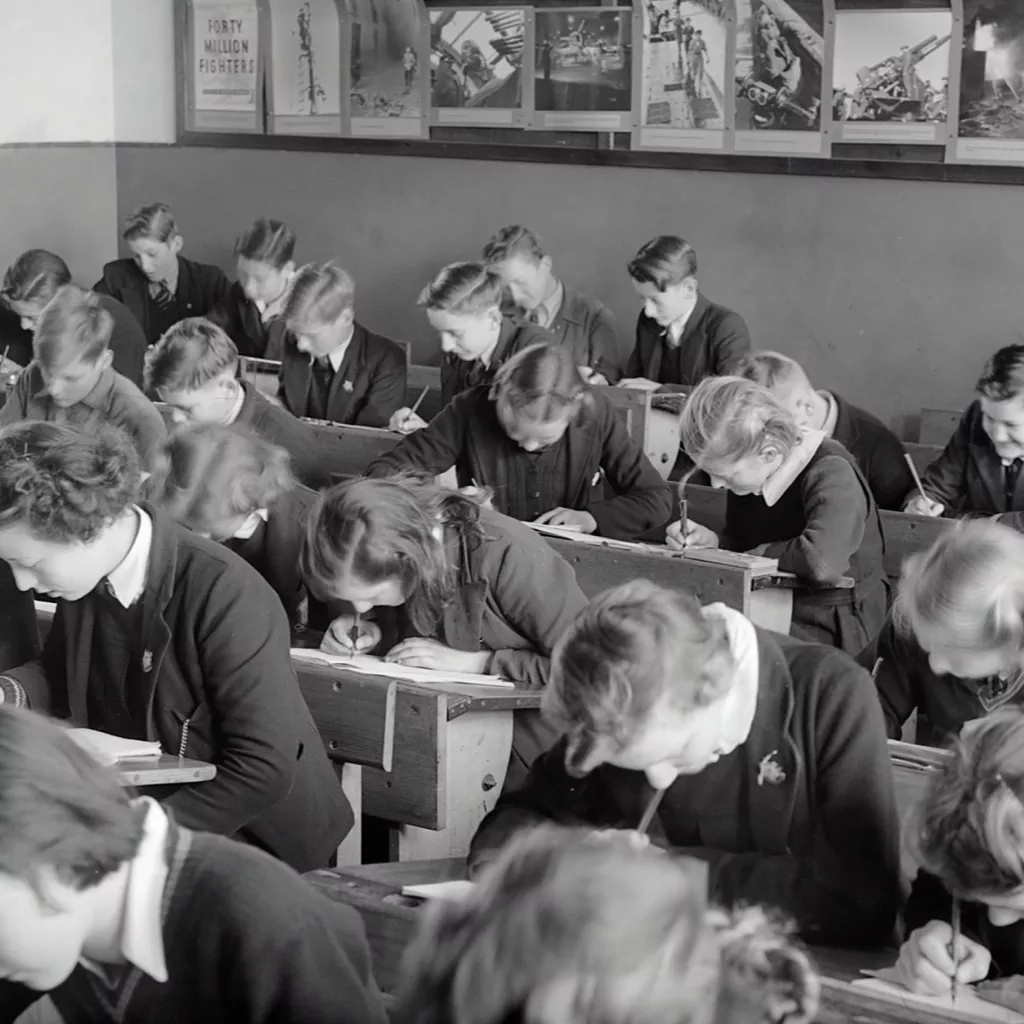
A Different Education
What would shock today’s students about your education?
- What school experiences from your childhood have stopped completely?
- Which subjects were important back then and are rarely studied today?
- What teacher behaviours did you experience that might differ from modern-day teaching?
- How are today’s schools better?

16 Year Old Advice
What career advice would you offer someone?
- Did you feel daunted at the idea of jobs and a career when you were 16?
- How did you choose your further education and career path?
- What advice do you think is important for 16-year-olds today?
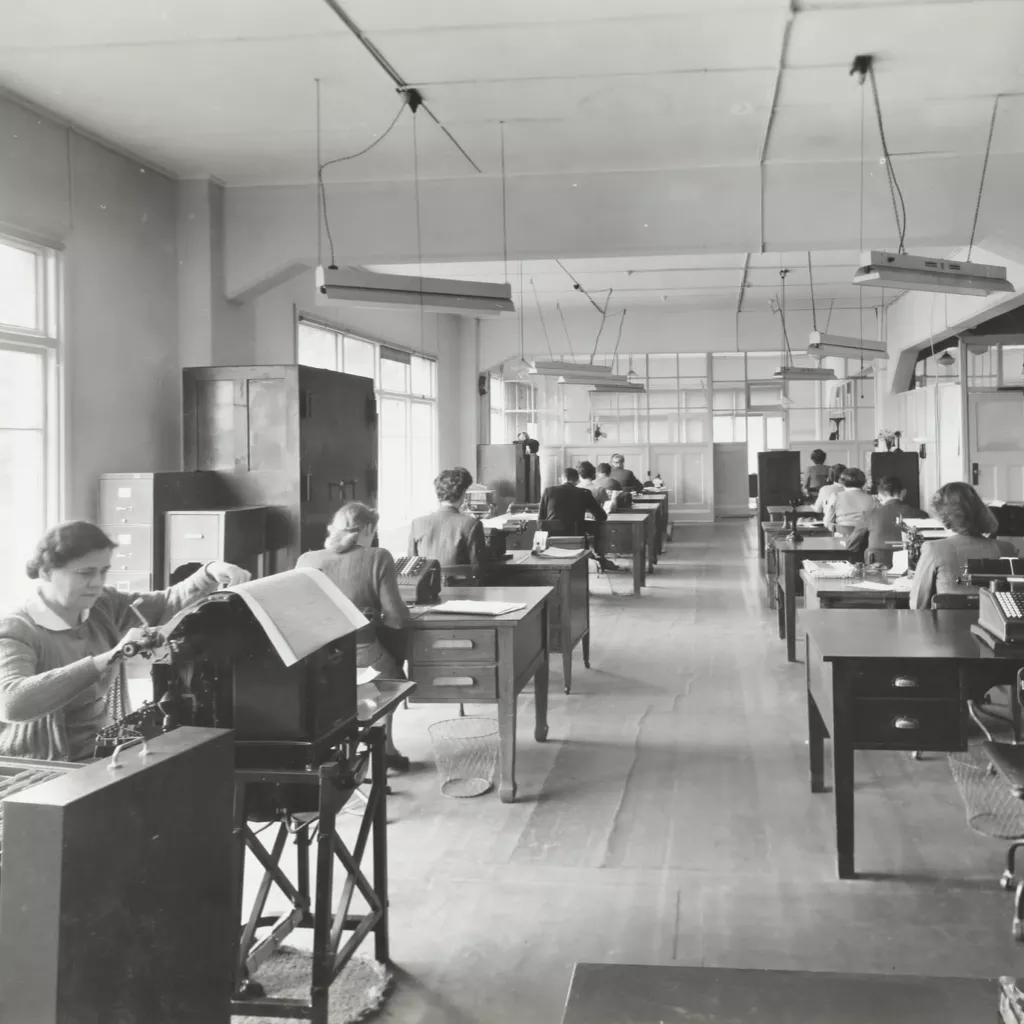
Work Now & Then
What workplace truths would surprise the next generation?
- Work environments are constantly changing. Not so long ago, health and safety weren’t seen as important, and offices were very formal.
- What changes in working conditions have you experienced over your career?
- What do you miss from the past?
- What changes are you pleased about?

Career Luck
How much of your career happened by accident?
- Have you found yourself landing a job or discovering a career path almost by accident?
- Were you lucky with the people you worked with? Perhaps they helped your progress or taught you valuable lessons?
- Were you lucky with timing – being in the right place at the right time, so you could accept an important project or role?
- Has bad luck played a part in your career? For example, those service industry employees who were hit hard by COVID-19.
Handpicked Prompts — World News
What the theme is: The historic events you lived through and what they meant to you personally.
Why these stories matter: History books record what happened. Only you can record what it felt like to live through it. Your perspective on the events of your time is irreplaceable and offers future family an intimate insight into world history.

Your Neighbourhood
What changes have you seen in the beliefs and behaviours of your local community?
- What changes have you observed over time?
- Are they positive or negative changes?
- What direction do you see your community heading in, and how do you feel about that?

Generational Differences
How were your younger years different to this generation’s?
- How was your childhood different to the modern-day childhood experience?
- How was parenting different back then?
- What workplace norms have shifted for better or worse since you started working?
- How were social interactions different to today’s?
- What are your opinions on the different generations, such as the Baby Boomers, Gen X or Millennials?

Impact Of Technology
Which inventions actually made your life better?
- What devices appeared during your life that seem normal to kids today?
- How did people cope without them?
- Which tech advances are worth the downsides they brought, and which do you wish were never invented?
- Which future innovations scare you more than they excite you?

World Challenges
What bigger issues do you wish you could fix for your children?
- From world conflicts to poverty and climate change, there are many challenges facing the modern world.
- Zoom in from the world view, and you might have local challenges too, like unemployment, education or housing.
- Which problems concern you the most?
- How would you try to solve such problems?

Society Trends
What modern-day trends excite or concern you?
- Can you think of specific behaviours in modern society that seem positive and hopeful for the future?
- Are there any that concern you?
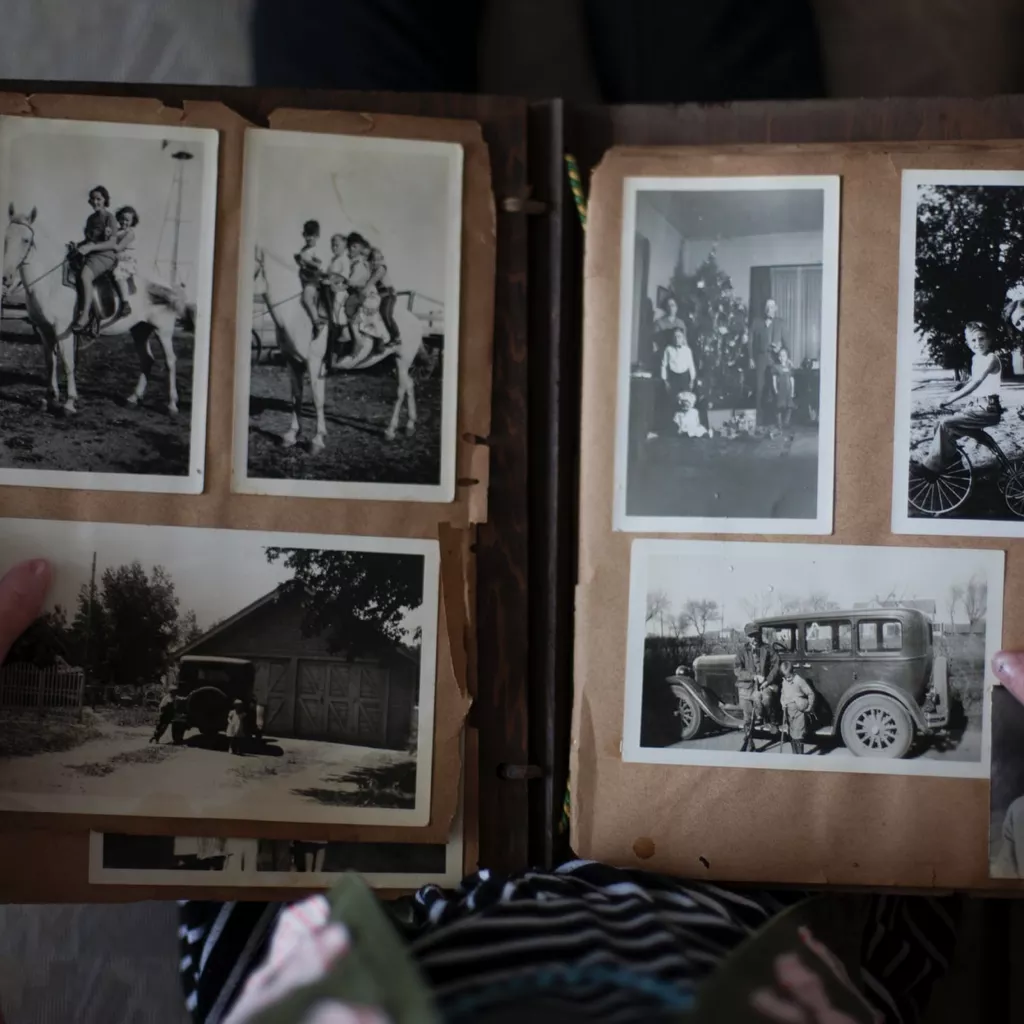
Miss The Most
What do you miss most about the past?
- What precious activities don’t seem to happen any more?
- View old photo albums – what objects, people or activities do you miss?
Handpicked Prompts — Interests & Social Life
What the theme is: The hobbies, friendships, and social worlds that shaped your life outside of work and family.
Why these stories matter: This is often where personality is most clearly expressed. The activities someone chooses to engage in during their free time reveal more about who they are than almost anything else. It might seem trivial to record some of these details, as everyone in today’s family knows about your passions. But what about future generations? Do you know much about your ancestors’ interests and social lives? Wouldn’t you love to have been given such insights?

What does ‘socialising’ look like for you?
- Do you have time with people outside of family and work?
- What do you spend time doing together?
- How often do you get together and where do you go?

Your Book
What passion or interest could you write a book about?
- Is there something you’re so interested in that you could write a book about it?
- What about a book for children, written in simple terms?

Previous Interests
What interested you in the past?
- What subjects caught your interest – perhaps you made related projects about them at school or at home?
- What toys or games were you passionate about?
- What did you watch on TV that always excited you?

Sport
How is sport a part of your life?
- Do you play sport?
- Do you watch sports?
- To attend sporting events?
Handpicked Prompts — Entertainment & Arts
What the theme is: The films, music, books, and art that moved you — and why.
Why these stories matter: Cultural touchstones connect generations. Knowing that a grandparent loved a particular song, or cried at a certain film, creates an unexpected point of recognition across decades.

Meaningful Music
What was your first music purchase?
- Why did you choose that particular album or song for your first purchase?
- Do you remember the feeling of buying your first music?
- What do you think about your first music purchases now?
- How does it compare to buying music now?

Top 10's
What are your all-time top 10’s for music, literature or movies?
- Do they hold a particularly special memory or significance for you?
- Are there any backstories about how you came across these albums, books or movies?
- Are there any lines or scenes that are especially importance for you?

Top Recommendations
What books, movies, theatre shows, podcasts etc, do you recommend to others?
- What makes them so special for you?
- Do you think they will stand the test of time?
Handpicked Prompts — Authentic Everyday
What the theme is: The ordinary routines and small rituals that made up daily life.
Why these stories matter: These are the stories most likely to be lost — and the ones you will find most rewarding to revisit, and future generations will find most fascinating. What’s normal and ‘boring’ today will seem so different when viewed in the future.

Simple Moments
Some of life’s richest memories are being created in your ordinary days.
- What simple moments in your daily life will you want to revisit one day?
- Everyone ages with time. Children transform into teenagers. Older relatives experience the effects of ageing. What interactions with them should you appreciate?
- Will shifts in our world and changing social practices make you look at today with warm recollections?

Family Routines
As a parent, can everyday moments like dinnertime, bath time or bedtime stories be preserved for the future?
- Which daily interactions with your little ones will you long for a decade from now?
- Keep their little voices and childhood conversations. Take videos of ordinary moments that make up your days.
- These records will become treasures you can return to when they’ve grown (you’ll thank yourself later).
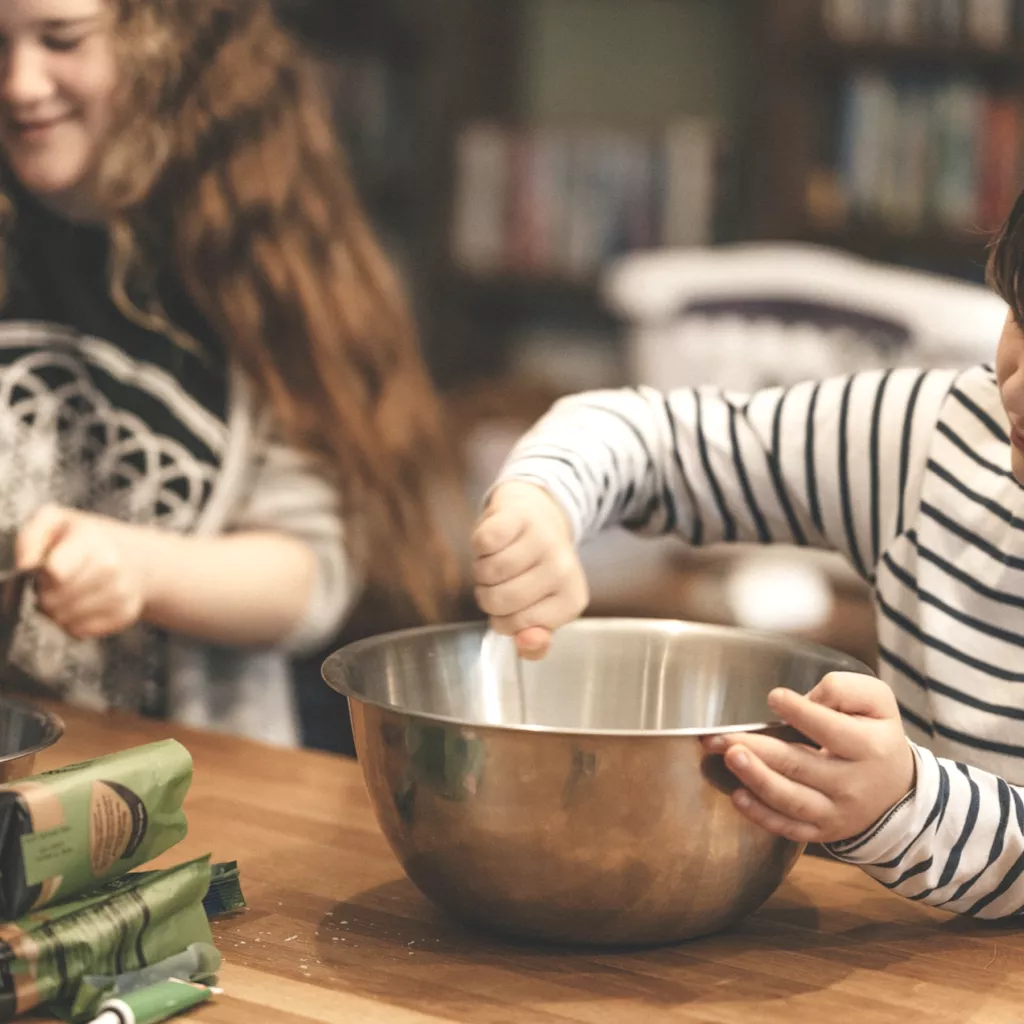
Ordinary Yet Special
Which ‘ordinary’ moments from your past would you most like to relive?
- Perhaps it’s as simple as the carefree feeling you had during childhood.
- Perhaps it’s some ordinary moments spent talking or playing cards with people no longer around.
- Perhaps it’s some ‘me-time’ moments, where every minute counts.

Your Typical Day
Could school drop-offs, walking into work or other routine moments be worth saving for the future?
- They feel so ordinary, almost too simple to capture… But imagine showing your grown child a video of their tiny self being led into nursery for the first time.
- Picture watching footage of your former colleagues as you step into an office from years ago.
- How many morning drives and workplaces have been part of your story that have now faded from memory?
- Today’s ordinary Tuesday isn’t always going to be ordinary. The world keeps changing, and these everyday scenes might become the windows to a time your heart will long to visit again
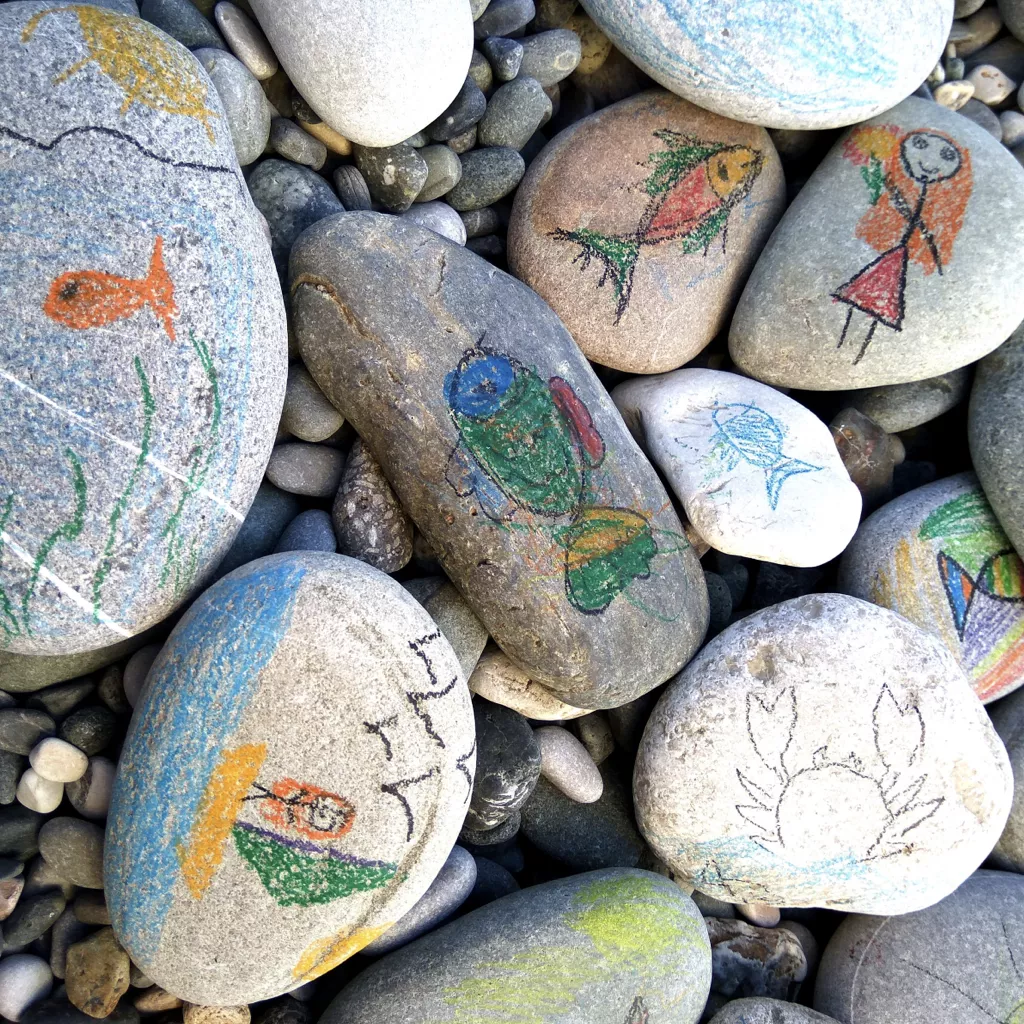
Children's Creations
Are there children’s pictures, homework sheets or play moments worth preserving for years to come?
- Has your home become a gallery of school papers that feel too special to throw out but too plentiful to organize?
- Save digital copies of their treasured works—whether handmade art, achievement certificates, or images of their carefully built creations.
- Though you can’t hold onto every physical reminder, you can still keep the memory of each accomplishment.
Handpicked Prompts — Health & Genes
What the theme is: The physical story of your family — health history, inherited traits, and what you have learned about your own body.
Why these stories matter: Beyond the personal interest, family health history has real practical value for future generations making medical decisions.

Health Advice
What guidance would you offer to someone worried about their health?
- What health difficulties have you faced, and what did they teach you?
- Have you changed anything about your everyday habits to feel better?
- Do you know of helpful treatments you’d suggest to others?
- Sometimes we ignore warning signs our bodies send us. Do you have any thoughts on this, or times you wish you’d listened sooner?

Who Takes After Who
Which family traits have travelled down through generations in your family?
- It might be visible features—the curve of their chin, the way they walk, or their build.
- It might be what sparks their curiosity or brings them joy.
- It might be their approach to life’s challenges and celebrations.

Fitness Benchmarks
How might you capture your physical abilities today, to see how they change with time?
- What does moving your body look like in this chapter of your life?
- How many days each week do you set aside for exercise?
- By noting what your body can do right now, you create a marker to look back on as the years unfold.
- When you share these personal fitness snapshots, you give your children and grandchildren a window into your life at their age—a gift no one gave to us.

Health Symptoms
What health warnings might future members of your family need to know about?
- Which symptoms have appeared in your life that could someday touch theirs too?
- If you’d rather not focus on hereditary conditions, even simple guidance about concerning symptoms can give your family a head start.

Wellbeing Advice
What wisdom have you gathered about keeping your mind as healthy as your body?
- How do you try to keep a positive and healthy mindset?
- Have you had any mental health setbacks in the past?
- What caused them and how did you overcome them?
Handpicked Prompts — Family Culture
What the theme is: The traditions, rituals, and unspoken rules that made your family yours
Why these stories matter: Culture is invisible from the inside. Recording it makes it visible — and gives future generations the choice to carry it forward consciously rather than let it fade by accident.
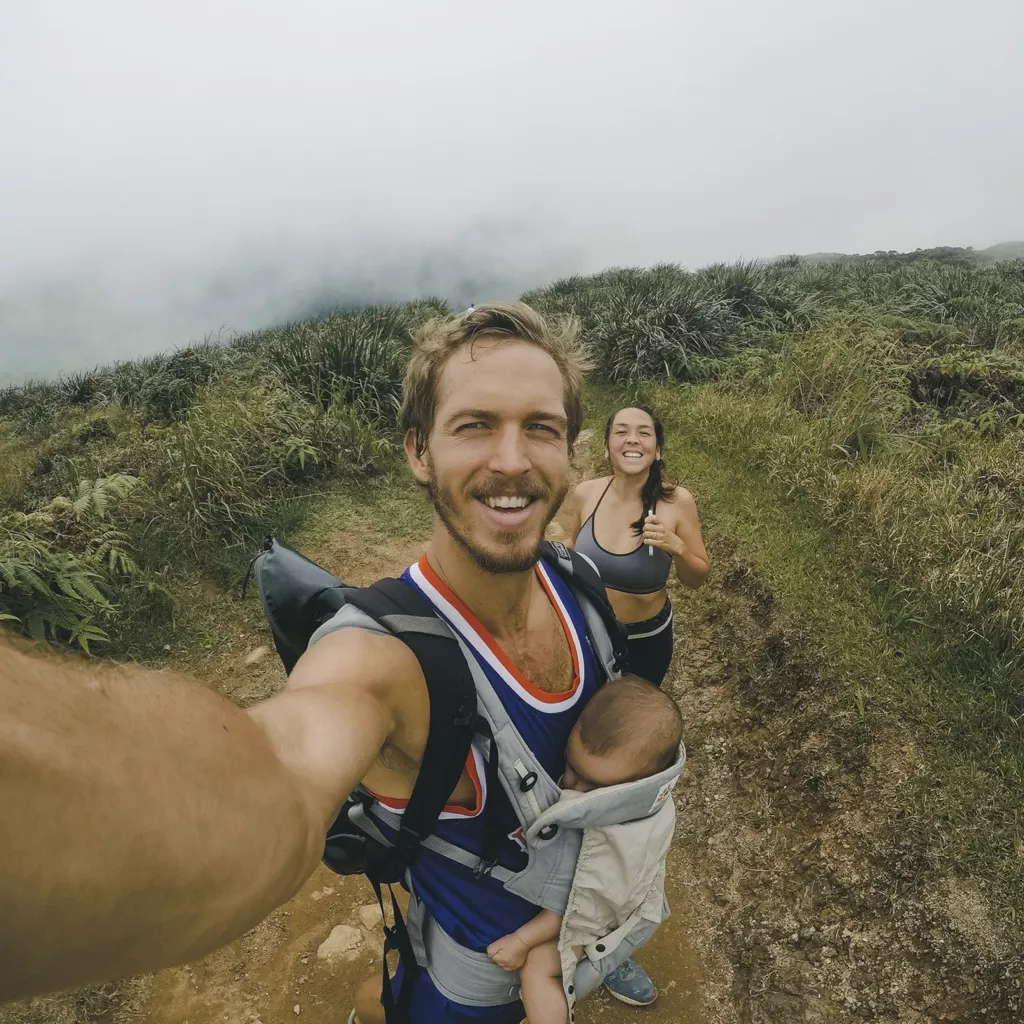
Unique Family Traits
What might other families find silly, strange or amusing about your family?
- What do friends comment about?
- What do guests to your home find peculiar?
- What’s different about your home environment to accommodate your habits?

Lasting Traditions
What traditions or traits, do you hope will continue long after you’re gone?
- Anything special rituals every day, week or month?
- Do you have special times in the year when you do something special?
- What makes them so special or fun?
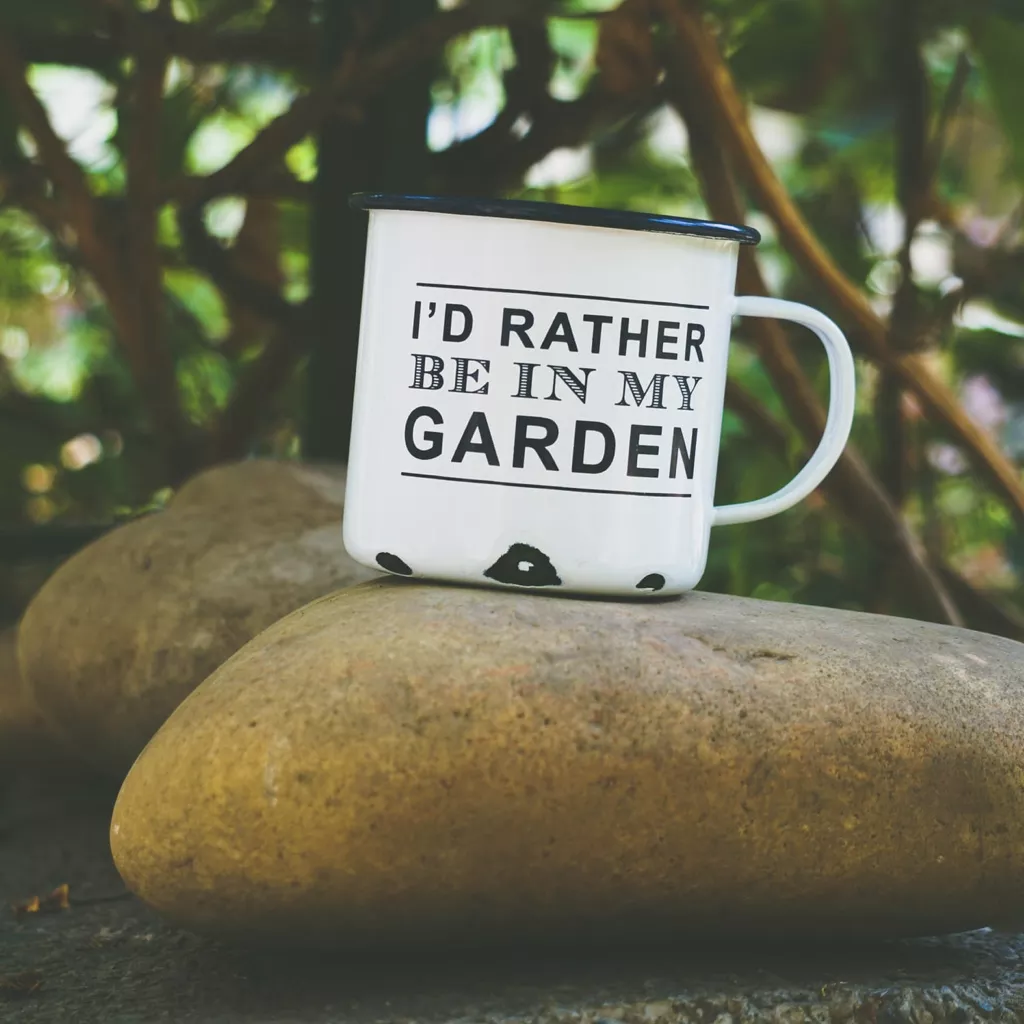
Sayings & Expressions
Which words and phrases have become the soundtrack of your family life?
- Collect those distinctive expressions that belong to the people you love most.
- The words we repeat become more than habit—they become part of the legacy we pass down without even trying.
- Perhaps you’ve caught yourself speaking with borrowed phrases, carrying forward the voices of those who came before you.
Handpicked Prompts — Life Influencers
What the theme is: The people who shaped you — teachers, mentors, friends, rivals, and anyone who changed your direction.
Why these stories matter: Behind every person’s story is a set of people who made them possible. These stories are acts of acknowledgement as much as they are records.

Best Friends
Who are your best friends and what role have they played in your life?
- Why were they your best friends?
- How have they had an impact in your life?

Important Conversations
Which were the most meaningful or important talks you’ve ever had?
- It might have been a helpful conversation that guided you toward a decision.
- Or maybe the words were tough to hear, but they persuaded you to make a change.
- When did these key conversations take place, with whom, and what was actually said?

Your Peers
Among people your age, who do you look up to and why?
- Which people in your generation have qualities or achievements that you deeply value?
- These could be old friends, professional contacts, or family members of similar age.

Your Role Models
Who do you look to when you need an example to follow?
- They could be someone you know and speak with regularly.
- Or someone whose story you’ve only read about.
- Who inspires you, and which qualities do you most hope to mirror?
Handpicked Prompts — Family Food
What the theme is: The meals, recipes, and food rituals that were part of your family’s life.
Why these stories matter: Food is one of the most emotionally powerful carriers of memory. Recipes can be handed down through generations, providing a daily way to keep the memories of those who have passed away alive.

Family Meals
What foods bring your family together for meaningful occasions?
- Which meals have stood the test of time, becoming the ones everyone hopes you’ll make?
- Do you recall special dishes from your childhood that connected you to family traditions?
- What would you call the quintessential home-cooked meal in your household?

Memorable Meals
What memorable social occasions have you had at mealtime?
- Look back through old photos to be reminded of special meals you’ve enjoyed.
- It might be a breakfast you enjoyed on holiday with a view to die for.
- What special events or moments happened at a meal table?

Family Recipes
If your family wrote a recipe book, what recipes would you include?
- Many families regret not learning from the cooks in their family how to create their favourite family meals.
- It’s all too tempting to sit back and enjoy their delicious food without learning how to prepare it. But doing so comes with a sad reality that you’ll struggle to recreate that meal in the future.
- Talk with your family to identify the most important meals and learn how to make them while you can.
- Learning to cook them will make the meals even more special. When you cook them in the future, you’ll look back on these times fondly.
- Preserve the details with recipes, photos and videos.

Dining Out
Where are your favourite places to eat?
- A regular restaurant that you frequent?
- A place where special events from your past took place?
- Perhaps the first time eating out with your partner or when you were first introduced to a new type of cuisine…
Handpicked Prompts — Life Hacks
What the theme is: The practical wisdom you have picked up — shortcuts, habits, and lessons learned the hard way.
Why these stories matter: This is the kind of knowledge that rarely gets passed on deliberately. Most of it disappears with the generation that earned it.

Ageing Gracefully
How can family members stay fit and healthy as they get older?
- What do you do to maintain your health?
- Have you seen changes in your health or fitness aims as you’ve aged?
- What is your fitness goal right now?
- How do you balance physical activity with other parts of self-care, like food and mental health?

Parenting Tips
What guidance could benefit other parents raising children?
- What difficult parenting moments have you faced and how did you handle them?
- Are there any parenting tools or reading materials you’ve found useful?
- Have you started any family traditions or habits that have helped your children grow?

Financial Tips
Kitchen Tips
What cooking secrets would have saved you time and trouble?
- What meals would you strongly suggest others learn to make?
- Which recipes does your family ask for again and again?
- Have you made any cooking mistakes that better information could have prevented?
- Are there any food items or cooking tools that have recently changed how you work in the kitchen?
- Do you follow any online cooking guides or tutorials that have improved your skills?

Kid-Friendly Dinners
What kid-approved meals would you suggest to other families?
- Have you found any successful ways to deal with food pickiness?
- What dinner ideas never fail in your household?
- Do your children get involved with making any particular meals?

Child Safety Online
How can we help children navigate the internet safely?
- What insights have your kids mentioned about being online that others should hear?
- What family rules guide screen time in your house, and how effective are they?
- What tips would you share for safeguarding children using digital devices?
- What online threats worry you the most?
- What concerning behaviours might suggest a problem?
Handpicked Prompts — Deep Thoughts on Life
What the theme is: Your beliefs, philosophy, and the big questions you have wrestled with.
Why these stories matter: People rarely share their deepest convictions without being asked. These prompts allow family members to share thoughts and ideas that you may never have heard. It might also be a fun challenge for them!

Your Lucky Breaks
How has chance or good fortune shaped your journey?
- What unexpected lucky breaks have changed your path for the better?
- What good things simply landed in your life without you seeking them?
- Have you met important people just when you needed them most?
- Looking at the turning points in your story – how much came down to being in the right place at the right time?

What ideas did you once hold firmly that you’ve since let go?
- What understandings took their place?
- What experiences led you to see things differently?
- How much has this shift in thinking affected your life?

Gratitude
What are you most grateful for right now?
- Gratitude journals are a popular way to positively impact your health and well-being.
- Upon inspection, most people find their lives are filled with so many things to be grateful for, from a roof over their heads to a clean set of clothes.
- Big or small, what are ten things that you feel grateful for today?

Losing a Loved One
What thoughts can you share on coping with the loss of a loved one?
- Who do you miss in your life?
- What do you miss most about them?
- What advice can you offer others about losing loved ones?
- Do you have any recommendations about preparing to lose someone?

Success
What does ‘success’ mean to you?
- There is no ‘wrong’ answer – success can vary between people.
- What would it mean to have success this year?
- What would a successful life look like?

Advising a Younger You
What wisdom would you share with yourself at an earlier age?
- Look back to when you were younger and the hard times you went through. What advice would you have found helpful then?
- Consider also the young people in your family and what they might struggle with today. What guidance could make their path easier?
- Maybe you’re thinking about advice for teenagers, but if you’re older now, wisdom for those in their 30s, 40s, 50s, and 60s matters just as much.

Future Family
What desires do you have for the family members who will follow you?
- What life do you hope your children and your children’s children will experience?
- What troubles you when thinking about what’s ahead?
A Note for Anyone With Ageing Parents
When I first began compiling this list, I thought of my parents. They are well into their retirement, and health scares reminded me that they won’t be around forever. It helped me realise how many stories they, and only they, know about our family. The idea of never exploring those stories and failing to preserve them frightened me.
And the answers to most of these questions are more interesting when posed to the people in your family with plenty of life experiences to draw upon.
So my suggestion, as you read through the family journal ideas, is to consider the ones that you would most like to hear your parents’ answers to.
Exploring elders’ stories is a rewarding activity in itself, but sharing them with younger generations has arguably greater benefits. Emory University researchers who studied family storytelling across generations found that families that share coherent narratives about their past produce children with better self-esteem, stronger social competence, and less anxiety — and that effect grows stronger the richer and more specific the stories are.
The Importance of Follow-Up Questions
The family journal idea gets the story started. The follow-up is how you can find yourself in an even deeper and more rewarding conversation.
Most people answer the first question they are asked and then wait. They have given you what feels like a complete answer. But it rarely is. The most revealing moments in any family conversation come after you ask a second question — a simple one, asked genuinely.
Follow-up questions show that you are truly listening. They encourage the storyteller to share emotions, reflect on their experiences, and reveal details that would otherwise remain untold.
To go deeper emotionally
- How did that make you feel at the time?
- Looking back, do you feel the same way now?
- What was the most difficult/rewarding part of that experience?
To reveal the thinking behind the story
- How did you make that decision?
- Was there anything you wished you had known then?
- Did anyone help you during that time?
To help them reflect
- What do you think you learned from that?
- How did that experience shape who you are today?
- Is there anything about that time you have never talked about?
One more thing worth knowing: silence is a follow-up. When someone finishes a story, do not rush to fill the gap. Wait. More often than not, the most honest part of the answer comes after a pause.
For a deeper guide to this technique — including 28 follow-up questions that work after almost any prompt — see our full guide to asking your parents meaningful questions.
Saving Your Family Stories
Now that you have all these fantastic journal ideas, you might be thinking about the best way to keep them safe. After all, these stories aren’t just for today—they’re treasures that become even more valuable as the years go by.
If you’re interested in learning more about how to collect and save your family stories in today’s digital world, check out our articles on getting started with family journaling and the best journaling apps for families.
Our recommendation is our own app, Simirity journal for families.
Beyond photos, videos and voice notes, Simirity uses real-life stories from your family’s past and present to enrich family relationships while storing cherished memories for tomorrow.
Your stories blossom into rewarding conversations that take your family beyond everyday small talk—creating moments of genuine connection that you’ll treasure forever.
Connecting past, present and future family
The stories you collect today will become tomorrow’s family treasures. Why not start gathering them now? Explore our demo account to see how it’s done, or learn more about Simirity on the link below.
Other Ideas for Family Conversations
If you would like more ways to ignite new and interesting discussions within your family, here are some ideas that can help.
- The family conversation starter game—a lighthearted game with 200 object prompts that help your family recall interesting stories from their past that are easily overlooked.
- 350+ eye-opening questions to ask your mom and your dad—this is a great way to methodically explore the different stages of your parents’ past.
- 280 thought-provoking ‘would you rather questions’—this is a fun game that can be played over a video call—guaranteed to result in a laughter-filled conversation.
- Play the how well do you know your family game, where you test your knowledge of family members and bookmark challenging questions for follow-up conversations.
FAQs About Family Storytelling
Why should I explore family journal prompts?
Here are five reasons for exploring family journal questions and prompts:
1. You discover stories you never knew existed. Every family has stories that sit just below the surface — experiences that never come up in everyday conversation simply because no one ever asked. A well-chosen journal idea creates the opening. I have sat with my own parents and watched them light up telling stories I had never heard in 45 years.
2. It changes how family members see each other. There is something that shifts when you hear a parent describe a moment of real fear, or a grandparent admit a regret. The person becomes so much more relatable, which makes it a fantastic opportunity to bond.
3. You preserve stories before they are gone. This one is simple and irreversible. Every story that goes unasked is a story that disappears. The prompts in this guide are not urgent — until suddenly they are.
4. It starts a habit that gets easier every time. The first conversation can feel stilted. By the third or fourth, families find their rhythm. Children who grow up in families that talk about the past tend to keep doing it as adults.
5. It gives reluctant storytellers a way in. Not everyone opens up when asked to simply share a memory. A specific, concrete journal idea — “What is a meal you remember from childhood?” — gives people something to hold onto.
How should I prioritise the stories I create?
It’s true, there are so many stories worth capturing, and it can feel a bit overwhelming. That’s why we built a free tool to help you gauge how well your family’s stories are currently being preserved, while identifying which areas of your family’s story need the most attention. Take the free story preservation assessment.
What makes a family story worth preserving?
Think about the types of stories you would have enjoyed reading about your ancestors’ lives. For most people, stories offer a chance to connect with others—both living and deceased. We’re naturally drawn to their experiences, but the best family stories reveal insights into character, values, and the wisdom they gained throughout their journey.
By preserving stories like these, future generations feel connected to family members from the past, learn from their experiences, and witness their family values being applied to real-life scenarios.
How should I record and preserve family stories?
That’s a great question that’s close to our hearts! In our guide, we explore 8 different ways to preserve family stories, from traditional journals to collaborative documents and digital storytelling tools.
For most families, the best approach combines multiple methods to fully capture each story. Photos bring visual context to special moments. Audio or video recordings preserve voices, expressions, and personality, while written stories document precise details and reflections. Digital platforms like Simirity help organise your family stories by themes, people, or timelines, making them easily accessible to both current and future generations. Whatever methods you choose, consistency is key—along with backing up your collection in multiple places to ensure these precious family stories survive for generations to come.
How do I encourage reluctant family members to share their stories?
Start with easy, non-invasive questions about positive memories or achievements. Use photos, heirlooms, or familiar locations as conversation starters. Sometimes group settings help reluctant storytellers open up as others share.
Here is a conversation starter’s guide for your mom and questions to ask your dad, with 350 eye-opening questions to explore.
How do I organise all my family stories?
As your collection grows, hundreds of family stories can quickly become overwhelming when you’re looking for something specific. Start by organising stories by themes (childhood, career, relationships), chronology, or by family member.
Digital storytelling really shines when it comes to organisation and searchability. With Simirity, you can tag family stories with people who were present, locations, themes (like ‘meaningful places’ or ‘family culture’), and other important details. Finding specific stories becomes effortless—simply search for keywords or filter by any of these attributes to instantly locate the stories you want.
The key is creating a system that makes sense to your family and ensures all your precious family stories remain easily discoverable for generations to come.
Is journaling actually good for you?
The evidence is strong. A systematic review published in PLOS One found that journaling interventions consistently reduced anxiety and improved mental health outcomes across multiple studies. Family journaling adds an extra layer — it connects individual reflection to shared identity, which compounds the benefit.
