


Statistics About Single-Parent Families: Hard Truths and What Helps

Look at the statistics about single-parent families and the scale of people affected is overwhelming. Nearly 18 million children in the United States are growing up in a single-parent household. In the UK, it’s one in four families with dependent children. Around the world, the numbers have been climbing for decades.
But the challenge is not just the increasing number of single-parent families—it’s the very real struggles faced by each of those families every day. Single parents often bear the most financial pressure, the least sleep, and the highest rates of loneliness. These challenges go hand in hand and deserve real attention.
What follows is a data-driven picture of single-parent family life — not a lecture, and not a list of grim statistics for their own sake. The goal is to show things as they actually are: the pressures that are real, the stereotypes that don’t hold up, and crucially, what the research tells us about what genuinely helps.
One key finding stands out: the challenges single parents face are rarely about being a single parent itself. They’re about resources, support, and connection—things that can change.
Jump to section:
Single-Parent Families Are More Common Than Ever
- One in four children in the United States now lives in a single-parent household. That’s roughly 18 million children — a figure that has nearly tripled since 1960, when the proportion was just 9%
- In 2023, the US Census Bureau counted 9.8 million single-parent households: 7.3 million headed by mothers and 2.5 million headed by fathers
- Single fathers now make up 24% of single-parent households, up from 14% in 1960
And the US sits at a striking position globally. Pew Research Center’s analysis of 130 countries found that 23% of American children live with one parent and no other adults — more than three times the global average of 7%. For context, that figure is 3% in China, 5% in India, 15% in Canada, and 21% in the UK.
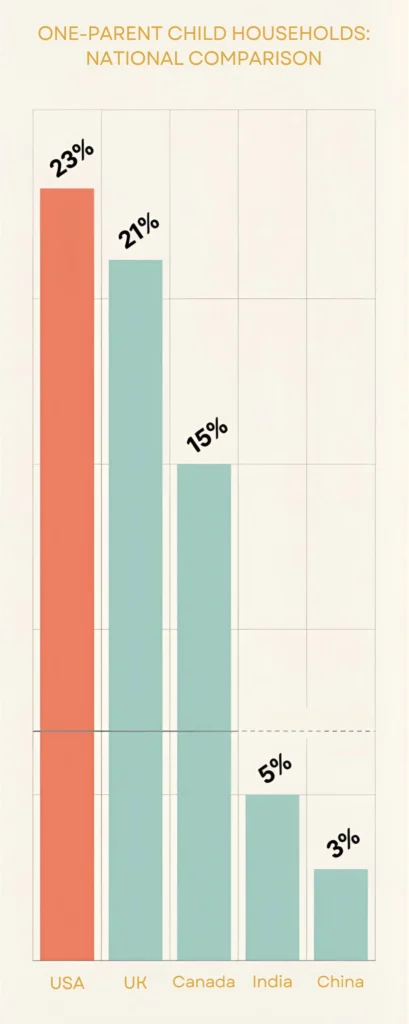
This comparison shows something important. The US not only has more single-parent families than other wealthy countries, but it also offers less of the support that makes a real difference. Only 8% of American children in single-parent households live with extended family, compared to 38% worldwide.
The US has the highest rate of children living in single-parent households in the world, and one of the lowest rates of those children living with extended family support.
That gap is significant. It means millions of single parents are raising children without a grandparent nearby, an aunt living close, or the informal support networks that earlier generations had. We’ll return to why this matters later in the article.
Who single parents actually are
The stereotypes don’t match the data:
- Single parents are older than most people assume: 38% of single mothers are aged 40 or over
- They are largely in work — 75.4% of single mothers are employed, with a labour force participation rate that is actually higher than that of married mothers
- While 52% have never been married, the majority are not young single women but adults in their 30s and 40s navigating challenging life circumstances
- About 80% of single-parent households are headed by women
- Single-father families have increased ninefold since 1960, and nearly half of single fathers are aged 40 or over
The Invisible Weight of Doing It Alone
There is a concept researchers call the ‘mental load’ — the invisible work of managing a household.
Not the cooking and the school runs, but the anticipating, planning, scheduling, and monitoring that never stops. The keeping-track-of-everything that happens in the background of every other task.

A major 2025 study in the Journal of Marriage and Family, which surveyed 3,000 US parents, found that mothers in two-parent households handle 71% of all household mental load tasks. For single parents, there’s no one to share the load — so they carry all of it. The partner who would take on the other 29% just isn’t there.
Sleep deprivation
CDC data shows that 43.5% of single-parent women get fewer than 7 hours of sleep per night — compared to 31.2% in two-parent families.
Single parents were the most likely of all family types to have trouble falling asleep, staying asleep, and waking up feeling unrefreshed. There is no one to take the early morning shift. There is no one to notice when you need a break.
Mental health
A Brookings Institution study found that nearly 1 in 3 single mothers (32%) face moderate or severe psychological distress, compared to about 1 in 5 married mothers (19%).
Single mothers are three times more likely than married mothers to experience severe distress. A 2024 review in Health Science Reports showed that in any given year, about 7% of single mothers have a depressive episode — three times the rate found in other groups.
Loneliness
Cigna’s loneliness research found that 77% of single parents described themselves as lonely — compared to 65% of all parents and 55% of non-parents.
In Scotland, research by One Parent Families Scotland found that 35% of single parents reported feeling lonely most or all of the time — almost six times the rate of the general population.
The Financial Gap
On average, single mothers in the US earn about $41,305 per year, while married-couple families bring in around $132,959.
This gap is huge and shapes almost every choice a single parent has to make.
It’s a serious challenge: 31.3% of single-mother families with children under 18 live below the poverty line — nearly six times the rate for married-couple families. Food insecurity is also much more common, affecting 36.8% of single-mother households — almost three times the national average.
The employment myth
One of the most persistent and damaging stereotypes is that single mothers don’t work.
The data says the opposite.
According to the Bureau of Labor Statistics, 75.4% of single mothers are employed, with a labour force participation rate of 77.7% — higher than the 72.3% participation rate for married mothers. Around 76% of those employed work full-time.
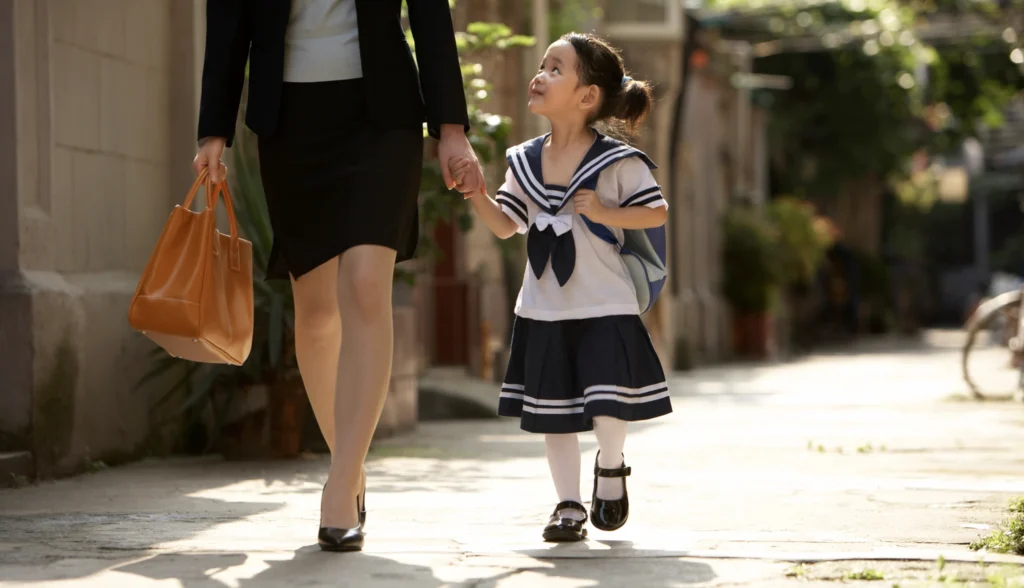
The problem isn’t that single parents aren’t working. The problem is that one income, however hard-earned, is doing the work that two incomes used to share.
Child support: the gap between what’s owed and what actually arrives
There are about 13.9 million parents in the US who have custody of their children.
According to the US Census Bureau, of those who are supposed to receive child support, only half actually get the full amount. Shockingly, 3 out of 10 get nothing at all. For those who do receive something, the average monthly payment is just $441. Only about 23% of single mothers report receiving any child support at all.
For most single parents, that extra income simply never shows up.
What the Research Actually Says About Children
This is where the data really matters — and it can be reassuring, especially if you’re a parent worried about whether your family’s structure could affect your child’s wellbeing.
Family structure is much less important than most people assume.
What matters far more is the emotional and economic environment children grow up in — the warmth, stability, and support they feel every day.
Poverty explains the gap — not family structure
The UK Millennium Cohort Study tracked 13,681 seven-year-olds and found that children in single-parent homes initially showed small differences in health and behaviour. But once poverty was accounted for, almost all significant differences disappeared. It was the financial hardship driving negative outcomes in health and behaviour — not the number of parents at home. Single-parent families in that study were far more likely to be in poverty (62.7% versus 17.8%), and that was the variable that mattered.
That finding has been replicated repeatedly. Researcher Susan Harkness, analysing three British birth cohorts spanning over 40 years with a combined sample of more than 29,000 children, concluded that almost all of the relationship between single motherhood and children’s outcomes is explained by reduced economic circumstances. Harvard sociologist Christina Cross reached similar conclusions:
Marriage-promotion programmes have been largely ineffective because they don’t address the fundamental economic factors that actually shape children’s lives.
Resilience and strengths
Research repeatedly documents positive developmental outcomes for many children in single-parent families, including higher resilience, greater sense of responsibility, and stronger problem-solving skills.
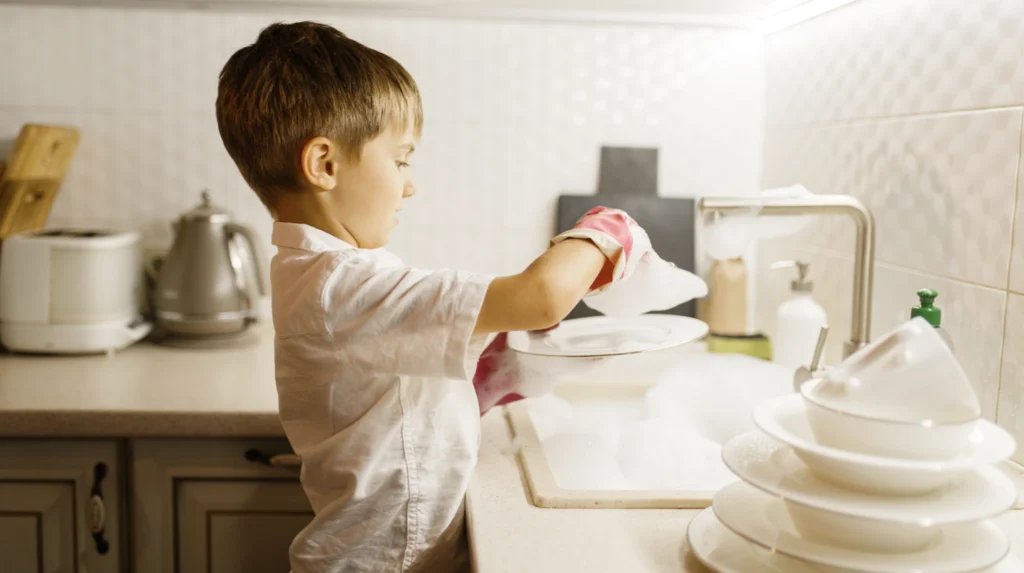
A 2023 review in the Journal of Indian Association for Child and Adolescent Mental Health found that earlier involvement in family decision-making and household responsibility was associated with improved emotional regulation and social maturity.
Children, it turns out, can adapt to almost anything, as long as the people around them have enough support to be there for them.
Why Extended Family Matters More Than Ever for Single-Parent Families
We mentioned earlier that only 8% of American children in single-parent households live with extended family — compared to 38% globally. The impact of not living with extended family is worth considering.
The American Psychological Association published findings from a study of 1,515 adolescents showing that:
Spending time with a grandparent was linked to better social skills and fewer behaviour problems — and this effect was particularly strong for children living in single-parent households.
Greater grandparent involvement was associated with less hyperactivity, less disruptive behaviour, and better social skills across the board.
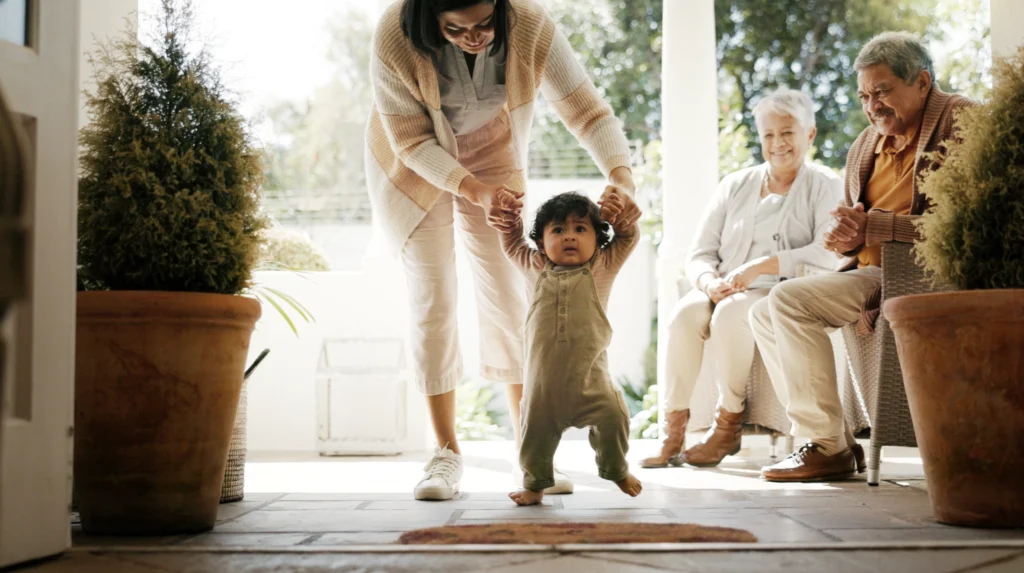
- Around 22% of single mothers in the US live with their own parents, and 31% of single fathers do the same
- Around 16% of children with a single parent live with a grandparent — compared to just 5% of children with two parents
The difference between family support and friendship
A peer-reviewed study of 200 single mothers produced a finding that surprised the researchers: both family support and friend support were linked to better parenting. But only friend support — not family support — predicted lower rates of depression and anxiety.
- Family helps with logistics and practical issues
- Friendships protect mental health
All families — not just single-parent families — need both extended family and close friendships, as the two serve very different purposes.
This has a real, everyday impact: being a well-supported single parent isn’t just about having grandparents close by or relatives to help with childcare. It’s also about having friends who show up when the going gets tough, and remind you that you’re not alone in this.
Keeping extended family close when you’re far apart
For single parents who live far from their wider family — and there are many, given how mobile modern life has become — this is where the challenge gets even harder. The grandparent relationship matters. The cousins, aunts and uncles matter. The shared family stories and the sense of belonging to something bigger than the immediate household — all of that matters, especially when one parent is responsible for everything.
Keeping those family connections strong across distance takes more effort for single parents than for two-parent families, where both parents can share the work of staying in touch. For single parents, it’s another responsibility, but research shows it’s one of the most important ones.
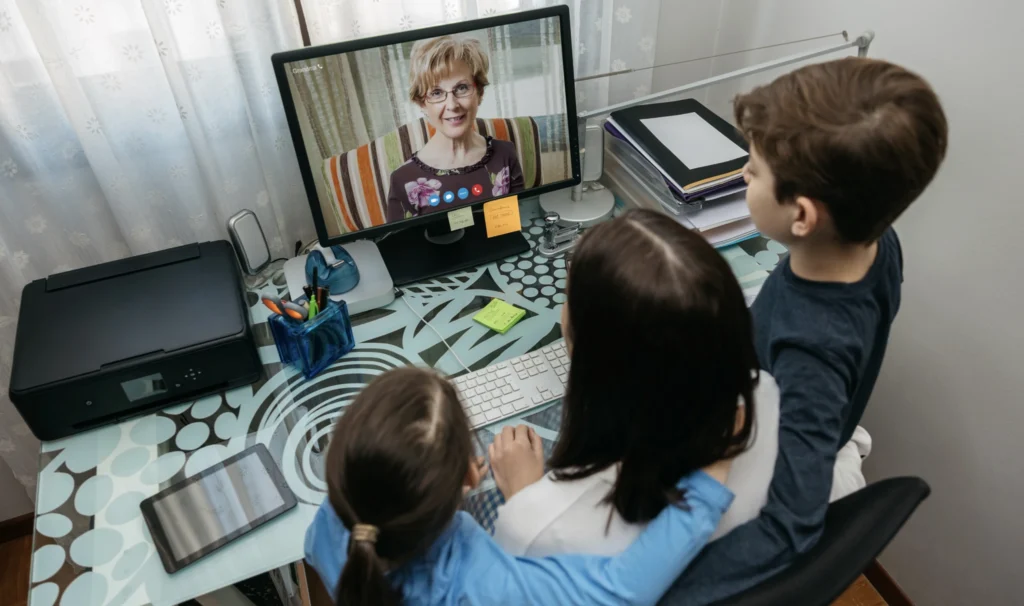
I’m not a single parent, but after moving abroad, I know how hard it can be to feel close to loved ones when you rarely see them. For us, real connection meant more than just routine calls or sharing photos and messages. That’s why we created the Simirity family journal — to help families share and preserve real stories in private.

Go beyond small talk—explore authentic family stories in Simirity.
Single-Parent Families Around the World
The US is not alone in these single-parenting trends.
Statistics about single-parent families in the UK
In the UK, the Office for National Statistics counted 3.2 million lone-parent families in 2024, comprising 16.1% of all families. One in four families with dependent children is headed by a single parent. Around 3.3 million children live in single-parent families. Women head 89% of these households.
The financial picture is similarly stark:
- 43% of children in UK single-parent families live in poverty, compared to 26% in couple families
- Two-thirds of UK single parents are now in employment — a rate that has risen by more than 20 percentage points over the past two decades — but a significant employment gap with partnered parents remains
Statistics about single-parent families in the OECD
Across OECD countries, the OECD Family Database shows that the poverty rate for single-adult households with children averages 29.3% — roughly three times the 8.9% rate for two-or-more-adult households. That gap is remarkably consistent across wealthy nations.
But the poverty rate in single-parent families can be changed.
Nordic countries demonstrate what happens when policy deliberately supports single-parent families.
Finland’s tax-and-transfer system reduces child poverty by as much as 80%. Denmark achieves one of the world’s lowest child poverty rates, around 4%. In Finland, the poverty gap between single-parent and two-parent families is just 8 percentage points — the smallest in the OECD.
Those countries invest in:
- Universal subsidised childcare
- Generous parental leave
- Guaranteed child maintenance payments (Sweden pays a government-guaranteed sum if the non-resident parent fails to contribute)
- Housing support
The outcome gap for children narrows dramatically. A global comparative study found that small educational differences for children from single-parent families almost entirely disappeared in countries with more supportive social policies.
Summary of Statistics About Single-Parent Families
The Annie E. Casey Foundation summarises the evidence clearly:
"Mounting evidence indicates that underlying factors — such as strong and stable relationships, parental mental health, socioeconomic status and access to resources — have a greater impact on child success than does family structure itself."
— Annie E. Casey Foundation
What children need is not a particular family shape.
They need stability, warmth, sufficient resources, and a sense of connection to the people who love them.
Single parents are not struggling because of how their family is built. They are struggling because doing everything alone — the income, the childcare, the school runs, the emotional support, the planning, the worrying, the middle-of-the-night wake-ups with no one to nudge — is genuinely, objectively hard. The research just puts numbers to what any honest person already knew.
What helps, the evidence tells us, is also not complicated. Financial stability. Decent sleep. A few good friendships. Grandparents who stay involved. A sense that the wider family is still there — still interested, still connected, still part of the story — even when geography or circumstance has pulled everyone in different directions.
Ultimately, improved governmental policies for single parents are not needed to make a difference — just people who care enough to show up. If you’re a single parent reading this, know that the numbers are on your side. The tough moments you encounter aren’t because you’ve done anything wrong or aren’t enough. They’re simply what happens when one person has to do the work of many. And you needn’t be alone in that.
And for anyone who knows and cares about a single parent: staying close to them matters more than you probably realise.
This article is part of our family statistics collection — if you’d like to explore the broader picture, our roundup of statistics about family brings together the most interesting findings in one place.

Connect every generation through the power of storytelling.
Recommended

Statistics About Family: 10 Insights on Modern Family Life
Read more: Statistics About Family: 10 Insights on Modern Family LifeStatistics About Family Relationships: The Shape of Love Across a Lifetime
Read more: Statistics About Family Relationships: The Shape of Love Across a LifetimeFamily Size Statistics: The Incredible Shrinking Family
Read more: Family Size Statistics: The Incredible Shrinking Family